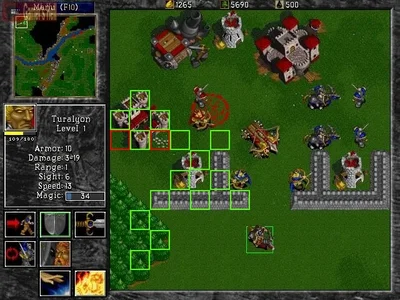
The making of Warcraft part 2
Warcraft almost didn't become Warcraft. Part 2 gets into the hard calls, surprises, and turning points that shaped the hit.

Game design, programming and more
Warcraft almost didn't become Warcraft. Part 2 gets into the hard calls, surprises, and turning points that shaped the hit.

It worked in test, then collapsed under real players. This is how to debug a live server without flying blind.
Being a great programmer is not enough if nobody notices. Here's how to stand out before your next job search forces the issue.
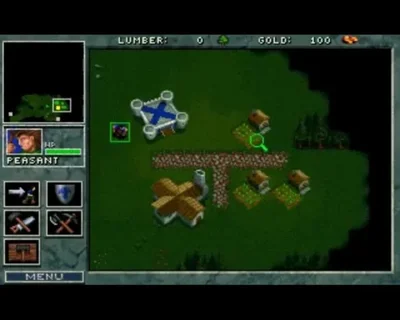
Before Warcraft became a legend, it was a risky DOS-era experiment. This is how it actually began.

The Guild Wars scaling trick most developers never think to use: record everything, replay it, and break your servers on purpose.

Detecting named-pipe disconnects in C# sounds easy until nothing works. Here's the fix.

Most error-handling code is messier than it needs to be. This odd pattern cleans it up.
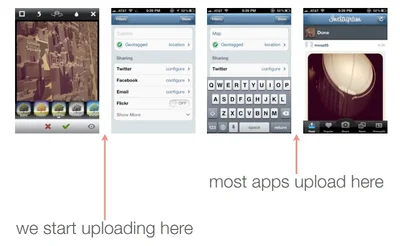
People hate waiting, even when an app is technically fast. These perception hacks make software feel dramatically quicker.

Building online game servers is harder than most teams expect. These GDC notes cover the mistakes that bite first.

Windows firewall rules in installers are more painful than they should be. This is the low-code workaround that saved the day.

One mismatched `new()` can turn a clean C++ app into a memory-corruption nightmare. This is the trap and how to avoid it.

One small rate-limiting change can stop a service meltdown before it starts. This is the reliability fix worth stealing.

The SQL stored procedure update trick everyone uses can quietly break production. Here's the safer pattern that avoids the outage.